You must have routine sanitation scheduled according to risk factors, food processing capacity, allergen concerns, and regulatory checks, plus verification documentation supporting food safety protocols, regulatory audits, and public health standards. The following sections describe critical cleaning system elements.
Key Takeaways
- Brampton food safety cleaning experts service restaurants, grocery departments, commissaries, warehouses, bakeries, schools, mobile vendors, and allergen-sensitive operations.
- They clean high-touch surfaces, food-contact equipment, kitchens, floors, drains, restrooms, and storage areas using sectional methods to prevent cross-contamination.
- Proper chemical concentration, suitability, and exposure duration are verified by qualified vendors, with conclusion recorded via tests, reviews, and remedial documentation.
- Threat, output capacity, switches, spills, and regulations must inform cleaning schedules, with routine, weekly, and cyclical operations designated by zone.
- Suppliers need to have HACCP, health regulatory expertise, WHMIS instruction, insurance, references, color-categorized tools, and audit-ready sanitation records.
Brampton Operations That Need Food Safety Cleaning: Which Ones?
Food safety cleaning is necessary for any Brampton facility information that handles, maintains, prepares, packages, or offers food. Apply it to your business if it meets the criteria for health inspections, food codes, or HACCP requirements. This includes restaurants, cafeterias, commissaries, grocery food departments, butcher shops, seafood counters, convenience stores, and institutional kitchens.
You also need documented food sanitation in supply warehouses, manufacturing facilities, refrigerated storage, bakeries, school feeding programs, reception facilities, and delivery centers. Mobile and temporary operations count too, including catering vehicles, market vendors, and seasonal stalls. If your staff work with raw supplies, divide prepared foods, warm dishes, or organize allergen inventory, your facility needs documented cleaning protocols. In Brampton, hygiene isn't optional; it's part of lawful, functional, and customer safety adherence.
Which Areas Do Brampton Cleaning Experts Cover?
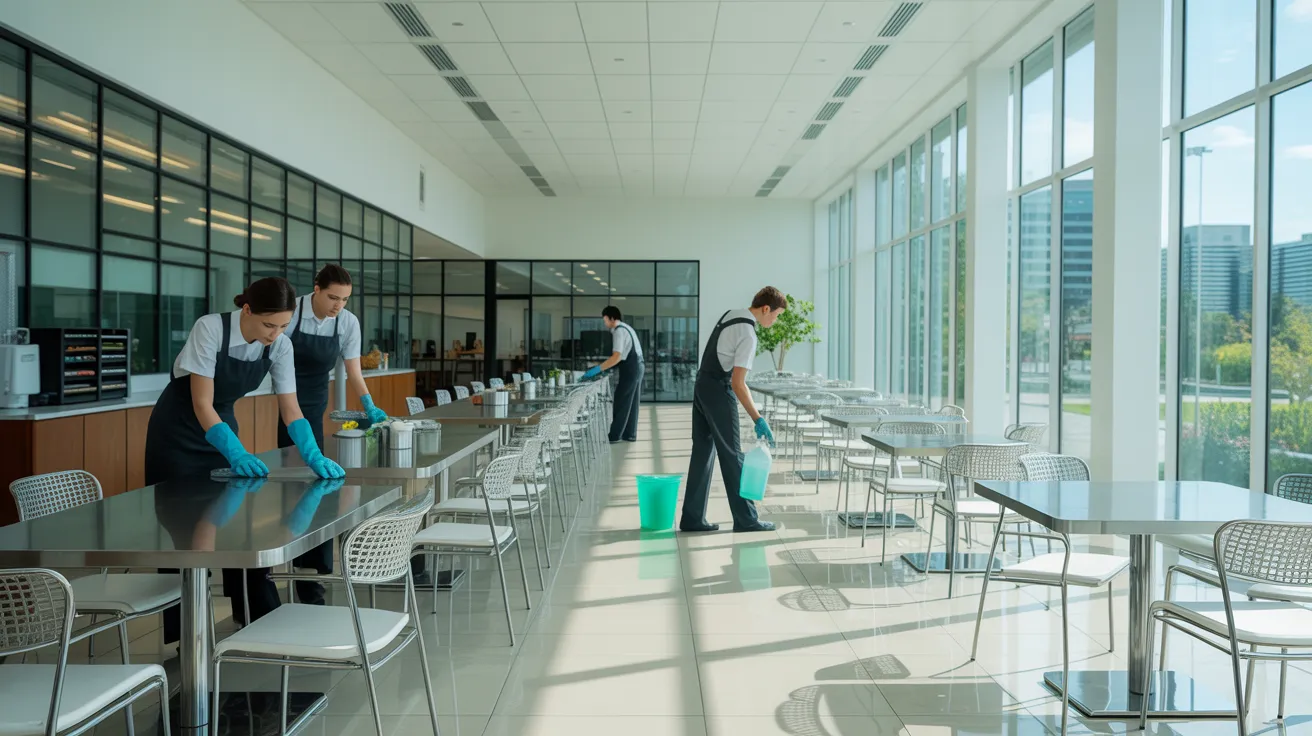
You need skilled cleaning experts who sanitize frequently touched areas, kitchen spaces, flooring, and restroom facilities to maintain food safety and public health requirements. These locations are prioritized because they carry the greatest contamination risk, falling hazards, and health code violations.
When you understand what they clean, you can verify that your facility's cleaning scope meets compliance and operational standards.
High-Touch Surface Cleaning
organize disinfection schedules according to foot traffic, environmental hazards, and business activities.
ensure effective sterilization
Food Prep Areas, Flooring, and Sanitary Facilities
Brampton cleaning professionals will address kitchens, floors, and restrooms since each space presents separate food safety concerns, slip-and-fall, and community health challenges. In industrial kitchens, you need degreasing on cook lines, equipment exteriors, drains, prep surfaces, and splash zones to reduce contamination and pest pressure.
Documented floor maintenance is also provided as part of the service.
Restroom sanitation requires disinfecting touchpoints, fixtures, partitions, dispensers, and waste containers, restocking supplies and controlling odours. They also maintain restaurant cleaning supply rooms where product storage, sink cleanliness, and drain systems impact daily sanitation standards and worker protection.
The Importance of Food Safety Cleaning in Brampton
In Brampton, you must maintain sanitary cleaning practices to satisfy health code requirements and pass inspections. You also minimize cross-contamination by cleaning and sanitizing food-contact surfaces, equipment, and high-touch areas correctly. Most importantly, you help protect community wellness by reducing the chance of food poisoning in your establishment.
Food Safety Regulations
Because Brampton food companies operate under strict public health standards, food safety cleaning directly affects your capability to fulfill health code requirements, ensure the safety of customers, and prevent enforcement action. You must maintain hygienic food handling zones, recorded sanitation plans, correct sanitizer application, and verifiable staff procedures that correspond to municipal and provincial inspection expectations.
During regulatory examination of your operation, officials assess whether your cleaning procedures facilitates proper stock preservation, appliance cleanliness, waste handling, and restroom sanitation. Strong cleaning records permit you to establish due diligence during compliance reviews and prove that your methods are consistent, consistent, and documented.
Cross-Contamination Prevention
Meeting regulatory requirements also depends on your ability to prevent cross-contamination during routine food preparation and sanitation. You must keep raw items away from prepared dishes, clean work areas after each use, and keep cleaning products separate from food areas. Clear procedures reduce transfer risks and ensure ongoing adherence to health checks.
You could implement allergen segregation to stop main allergens from reaching common areas, containers, or machinery. Apply separate boards, color-marked equipment, and strict utensil labeling so staff don't mix items throughout cooking or delivery. Enforce washing hands following uncooked meat, fish, egg products, or allergens. Change wiping cloths regularly, and test disinfectant concentration using strips. When employees learn these procedures every shift, you develop a more sanitary, secure business that meets Brampton's food safety expectations every day.
Public Health Safeguarding
When food safety cleaning breaks down, you don't just face inspection failure—you heighten the likelihood of foodborne illness affecting customers, staff, and the wider Brampton community. You also undermine your responsibility in safeguarding community wellness, especially in high-traffic food premises where pathogens travel quickly through surfaces, equipment, and touchpoints.
You must implement sanitation protocols that remove soils, effectively sanitize, and ensure effectiveness. This involves maintaining exposure times, utilizing authorized sanitizers, maintaining records, and coaching staff to meet compliance standards. These actions support disease prevention by suppressing pathogens before affecting food surfaces or hands. In Brampton, robust sanitation shields vulnerable populations, minimizes disease spread, and demonstrates accountability. When you maintain standards, you exceed requirements—you meaningfully lower danger and advance safer food handling throughout the city.
Why Is Cleaning Essential for Food Safety Compliance?
Maintaining strict sanitation practices strengthens food safety compliance by decreasing contamination threats, limiting pathogen development, and keeping your facility in accordance with sanitation requirements under HACCP-based programs and public health regulations. You verify that contact surfaces stay visibly clean and microbiologically controlled, enabling documented preventive controls and inspection readiness.
Comprehensive cleaning moreover enhances allergen management by eliminating residues that can cause undeclared allergen exposure. When you combine verified sanitation methods with regulatory training, your staff can implement consistent approaches, handle approved chemicals accurately, maintain records accurately, and handle discrepancies prior to escalation occurs. Regular cleaning enables audit trails, establishes remediation efforts, and demonstrates accountability in audits. It also helps you safeguard product safety, maintain operational adherence, and lower the possibility of regulatory actions, mass recalls, grievances, and avoidable safety threats.
When Ought You Schedule Commercial Cleaning?
cleaning routines or between production runs wherever surfaces contacting food, restrooms, and high-touch areas
Deep seasonal cleaning works best for shutdowns, weather-related soil buildup, or pest-pressure periods
How Do You Choose Brampton Cleaning Experts?
Start by screening providers against food-safe sanitation requirements, not price alone. You should verify that each company understands CFIA, public health, and HACCP compliance standards relevant to your facility. Ask for insurance documentation, WHMIS compliance, documented staff training, and supervision practices. Review whether technicians understand contamination prevention, chemical handling, and traceable sanitation records.
You should also assess operational reliability and accountability. Request references from food facilities in Brampton, then examine turnaround periods, corrective-action procedures, and communication standards. Confirm the company participates in supplier audits and can present audit-ready records when regulators or third parties request evidence. Check whether equipment maintenance is performed, colour-coded tools are used appropriately, and facility-specific risks are recognized. A competent service protects compliance, product integrity, and your brand reputation.
What aspects should a sanitation plan contain?
Create a documented strategy that defines every sanitation task, standard, and responsibility before production starts. You should list cleaning schedules, authorized products, mixing ratios, exposure periods, equipment, and testing procedures for each area, section, and machine. Don't forget to add pre-operational inspections, corrective actions, and employee training requirements.
Your program should also cover cross-contamination controls, waste handling, pest-prevention measures, and documented schedules for bathrooms, drainage systems, surfaces, and food-preparation zones. Detail how you'll keep raw and prepared foods apart, enable ingredient tracking, and ensure accurate allergen labeling through validated cleaning between product changes. You should designate accountability, keep signed records, and review results against regulatory standards, HACCP controls, and customer requirements. When gaps appear, update procedures immediately and retrain staff.
Popular Asked Inquiries
Are sanitation providers offered for nighttime operations in Brampton properties?
If you run controlled spaces, you'll also require documentation that support inspections and maintain assurance.
Will Brampton cleaning experts respond to hazardous incidents?
Yes, you can discover many Brampton sanitation experts providing spill response services. They manage contamination, evaluate risks, isolate contamination, and initiate rapid cleanup to reduce risk and prevent business disruption. You should confirm timeframes, credentials, PPE measures, and waste procedures. If your facility must adhere to regulations, pick a provider that documents events, adheres to standards, and ensures audit compliance.
Do environmentally safe disinfectants perform safely on food-contact surfaces?
Yes, natural disinfectants can be secure for food preparation areas if you opt for products labeled food safe and regulatory compliant. You should verify contact duration, concentration levels, and rinsing needs before use. Many botanical formulations reduce chemical burden, but you still need confirmation of performance against target microorganisms. To ensure residue-free conditions, you must adhere to manufacturer directions precisely and validate the disinfecting agent adheres to food industry regulations.
Do maintenance plans permit seasonal shifts?
Yes, you can tailor sanitation programs for production fluctuations. You should modify intervals, staff levels, chemicals, and verification steps to align with seasonal patterns while maintaining regulatory adherence. You'll reduce operational delays by timing sanitation around changeovers, maximum output, and usage cycles. You should further modify SSOPs, training, and environmental monitoring to capture seasonal hazards, emerging allergens, or higher contamination levels. Periodic assessments maintain your schedule effective.
Do commercial cleaning providers coach your team in sanitation best practices?
Certainly, professional cleaning experts coach your staff on sanitation best practices. You secure staff training on correct chemical practices, contact times, contamination control, machine disassembly, and documentation procedures. They typically align instruction with HACCP, GMP, and CFIA or local public health standards. Many also run health assessments to verify compliance, uncover shortcomings, and reinforce corrective actions. This enables you to copyright standard processes, pass inspections, and reduce food safety risks daily.
Closing Remarks
Through engaging Brampton commercial cleaning and food safety experts, you do far more than tidy—you keep your operation prepared for inspections and your standards meet requirements. From production floors to kitchens, all clean areas and kept corners reduce contamination risks and prevent significant costs. Through booking service on suitable timelines and sticking to a solid cleaning plan, you safeguard employees, clients, and your standing. In a tightly controlled regulatory landscape, proper sanitation must be a priority—they represent good business practice.
Comments on “Brampton Commercial Cleaning Pros”